Deep cuts and layoffs to the U.S. Department of Education endanger our students and our democracy in North Carolina.
When I was 16, I heard a story that changed everything. I was attending a youth leadership conference and the speaker was Evelyne Villines. Ms. Villines was a powerful figure in the fight for disability rights who had advised U.S. presidents, served on national commissions, and was a public advocate for the landmark Americans with Disabilities Act, signed in 1990.
Confined to a wheelchair by polio, Evelyne won the lead singing role in a school production. But when the time came, she was forced to remain offstage, singing from the shadows. Instead of having the spotlight, a non-disabled peer, one who “looked the part,” stood center stage, lip-syncing to her powerful voice.
That visual, a talented young woman deliberately veiled, a voice separated from its rightful owner struck me, even as a teenager. It showed me that exclusion is not always loud; sometimes it’s a seemingly innocent policy change that separates a child’s gifts from the opportunity to share them.
Ms. Villine’s story planted the enduring seed of my commitment to equity: our work must be to tear down every curtain of exclusion and relentlessly affirm every child’s right to the spotlight.
This memory is precisely what alarms me about the recent, sweeping layoffs in the U.S. Department of Education, particularly those gutting the Office of Special Education Programs and the Office for Civil Rights.
The U.S. Department of Education provides essential services that directly affect North Carolinians. It’s not just a far-off bureaucracy; it’s a major source of funding, with federal money making up about 20% of our state’s public school budget.
This means over $3 billion annually helps pay for programs for low-income students and those with disabilities. The special education office and the civil rights employees are key parts of this. Special education ensures that students with disabilities get the education they’re legally entitled, and the civil rights office makes sure our schools don’t discriminate.
Gutting these offices puts vital services and protections for our most vulnerable students at risk. This could mean fewer teachers and resources for students in high-poverty or rural districts, and a lack of oversight for civil rights issues, leaving families with little recourse if their children face discrimination.
This is a direct assault on the principles of equity and civil rights that form the bedrock of our public education system.
The Individuals with Disabilities Education Act is not an optional suggestion; it is a law that guarantees a “free appropriate public education” (FAPE), which is mandated by federal law, to millions of students. Special education employees were the keepers of this promise, monitoring states, managing billions in grants, and providing the guidance that ensured compliance. Without this oversight, FAPE risks becoming a fragmented “guideline” dictated by local budgets, rather than a child’s legal right.
I have spoken with special education teachers who are deeply concerned that this lack of federal accountability will leave the fate of student protections in the hands of local school boards, whose members may prioritize political agendas over legal obligations, causing students to suffer.
This unraveling of accountability will fall heaviest on the shoulders of our most vulnerable students and families, especially those in underfunded, rural school districts. These communities often lack the local resources and expertise to navigate the complex legal requirements of special education. They depend on federal oversight.
We risk perpetuating inequalities and enabling a system where a student’s access to a quality education is determined by their zip code, a reality we’ve fought to overcome for decades. This is a moral issue, a test of our national commitment to civil rights. The cuts to the Office for Civil Rights, which has already lost significant staff, make it even more difficult to investigate discrimination complaints. This leaves families with fewer options for assistance when a student’s rights are violated, pushing them toward expensive and often inaccessible legal battles.
To put it bluntly, school districts around the country will willfully discriminate against students, and no recourse will be available.
We must face this reality and demand action from our lawmakers. We must remind them that public schools are a public trust, and that every child deserves to be seen, affirmed, and to have their gifts and talents nurtured.
The pursuit of education is the very work of liberation. We cannot stand by as the doors to that liberation are systematically closed to the children who need them most. We must never allow the systemic negligence of federal cuts to force a child’s brilliance back behind a curtain. Every student deserves to be in the spotlight, and we must be the ones to make sure the lights never dim.
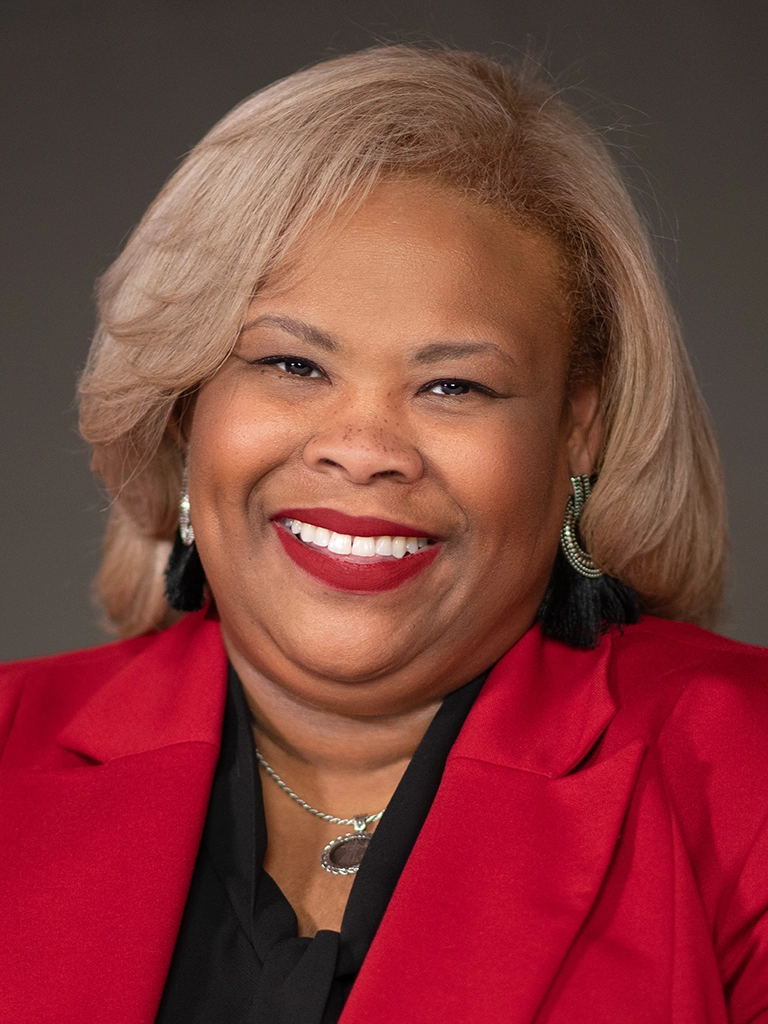
Kimberly Jones is an English and Humanities teacher for Chapel Hill Carrboro City Schools. She is the 2023 Burroughs Wellcome Fund North Carolina Teacher of the Year. All content published by Beacon Media is available to be republished for free on all platforms under Beacon Media’s guidelines.