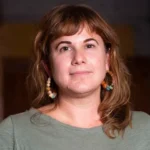
In 2022, restaurant owner Tiffany Dahle in Stanly County, N.C., hosted a drag brunch that drew threats. Here’s why she’s still fighting for her community.
By Gwen Frisbie-Fulton
Working Class Storytelling
Masked men were marching up the street in downtown Albermarle, North Carolina. Cars slowed down at the spectacle, but zipped away before the children in their backseats could see. It wasn’t exactly the sort of thing you want to run into on a sleepy Saturday small town afternoon.
Tiffany Dahle watched from her restaurant’s front door with her phone ready in her hand. The men were handing out flyers with her name on them.
They wore gaiters, sunglasses, and hats to obscure their identities.
“It’s just not normal to do that,” Tiffany thought. “This is a friendly town, a family town.”
It was 2022, and Tiffany’s small business was still reeling from the pandemic. She had been trying to think creatively about how to bring people back into downtown Albermarle, which had all but become a ghost town. When customers said that they would sometimes drive an hour away to Charlotte to attend drag shows, Tiffany had an idea: Why should local people have to drive and bring their money that far away when we could just do that here?
So she booked performers and put up an ad for a drag brunch. It sold out so fast, she quickly scheduled a second show.
Tiffany was born and raised in Stanly County; she’s now raising her own family here. It’s all she knows, and it’s what she loves. “I guess you always hear about ‘conservative’ and ‘liberal’ but I never knew which one I was,” she told me. “People don’t have to see eye to eye to be friends or to respect each other here.”
Nonetheless, she knew a drag show wouldn’t be for everyone. “I figured a few old ladies might not like it, but I figured they’d do what everyone does when they don’t like something around here… they just wouldn’t come.” Others would love the idea of a drag brunch and come out and spend some money at her restaurant. Live and let live.
When the phone calls started, Tiffany was taken off guard. Some of them were harassing, others threatening. Some callers told Tiffany to “go back where she came from,” even though she was from right here. Online, people called Tiffany a groomer and a pedophile.
The harassment was being orchestrated by an extremist group called the Proud Boys. Most of them lived outside the county, and when they came to Albermarle to hand out flyers, they drove from hours away.
When they couldn’t convince her to cancel the show, the group tried to get the local city council to pass an anti-drag ban.
That’s when Tiffany decided she needed to speak out.
She went to her local city council monthly meeting, something she’d never done before. She’d never considered herself ‘political.’ She took a deep breath and spoke. She spoke about being a mom, about being a business owner, and about being from here — and then she spoke about everything she wanted Albermarle to be.
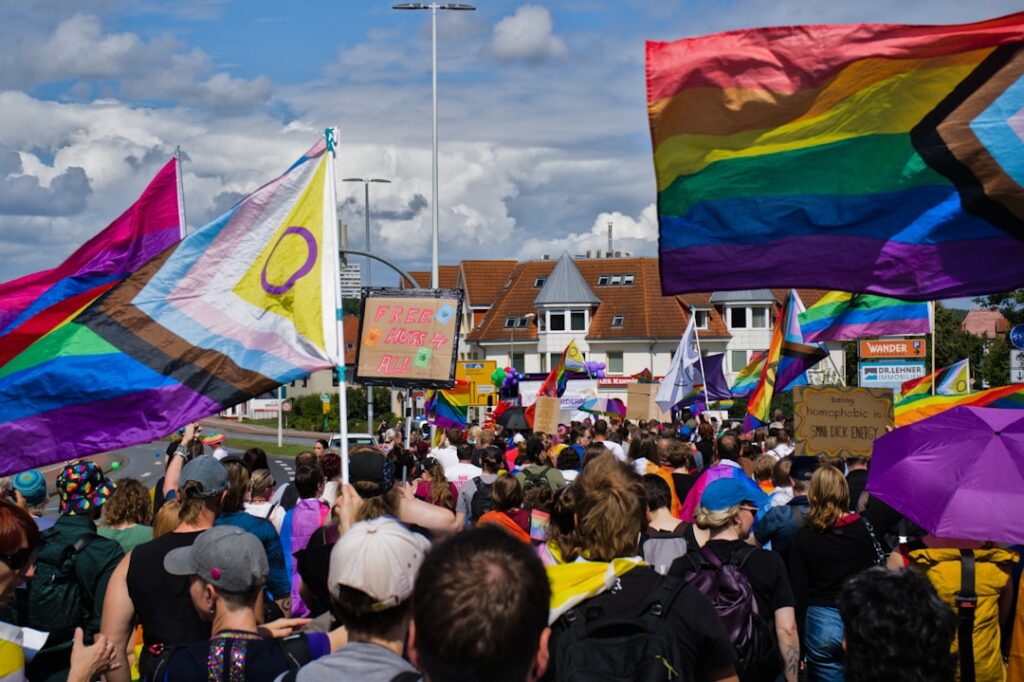
The day of the first drag brunch arrived. Proud Boys had called for a protest outside her restaurant, but it never forumulated. Instead, East Main Street’s sidewalks were flooded with supporters – young people waving small rainbow flags, old folks in Love is Love t-shirts. Local downtown businesses were jam-packed with customers that day.
The brunch was such a success that Tiffany booked more shows through the year, making drag a regular feature in Albemarle. The next year, the city council voted 4-3 to reject a ban on drag performances.
“Things became political that didn’t used to be and don’t need to be,” observes Tiffany. “People are trying to dictate how other people live their lives, and that to me doesn’t seem like what anyone wants.”
The whole ordeal changed the way that Tiffany interacts and relates to her county — for the better. Instead of making her shrink away, she is more engaged than ever.
Tiffany has now helped launch a PFLAG chapter in Stanly County, a support group for the local queer community, hosting book clubs and events. She’s part of the newly launched Indivisable Uwharrie chapter, which has been hosting listening sessions to hear from the community. Just this spring, she helped launch a voter guide for the county. “We don’t care about party affiliation or when you voted last,” she says. They just want to get people involved.
I’ve met hundreds of Tiffany’s across North Carolina. Regular, small town people who have been called to action in fraught political times. These are mechanics and teachers, servers and stay-at-home moms who didn’t think of themselves as “political,” but are now stepping up to do incredible things for their communities. Tiffany was frightened, but then she saw the safety and support her town was offering and leaned in.
I wish this for all of our communities, no matter where we call home.
The original, full version of this column was published at Working Class Storytelling on Substack. Gwen Frisbie-Fulton is a North Carolina writer and organizer who writes about working-class issues and people.