
As the Trump administration targets people under the guise of immigration enforcement, many Latinos in N.C. are celebrating our communities and culture — despite the fear.
By Iliana Santillán
Beacon Media
Lately, I’ve been thinking a lot about how many Latino families in North Carolina are quietly calculating risk before doing ordinary things.
Attending a graduation party. Traveling for Mother’s Day. Taking children to appointments, soccer games, church, festivals, or birthdays. For many families, especially mixed-status families, even joyful moments now come with a second layer of thought: Is it safe? Is it worth the risk? Should we stay close to home?
That is part of North Carolina right now too, and maybe that is why, over one weekend in April, the joy felt so significant.
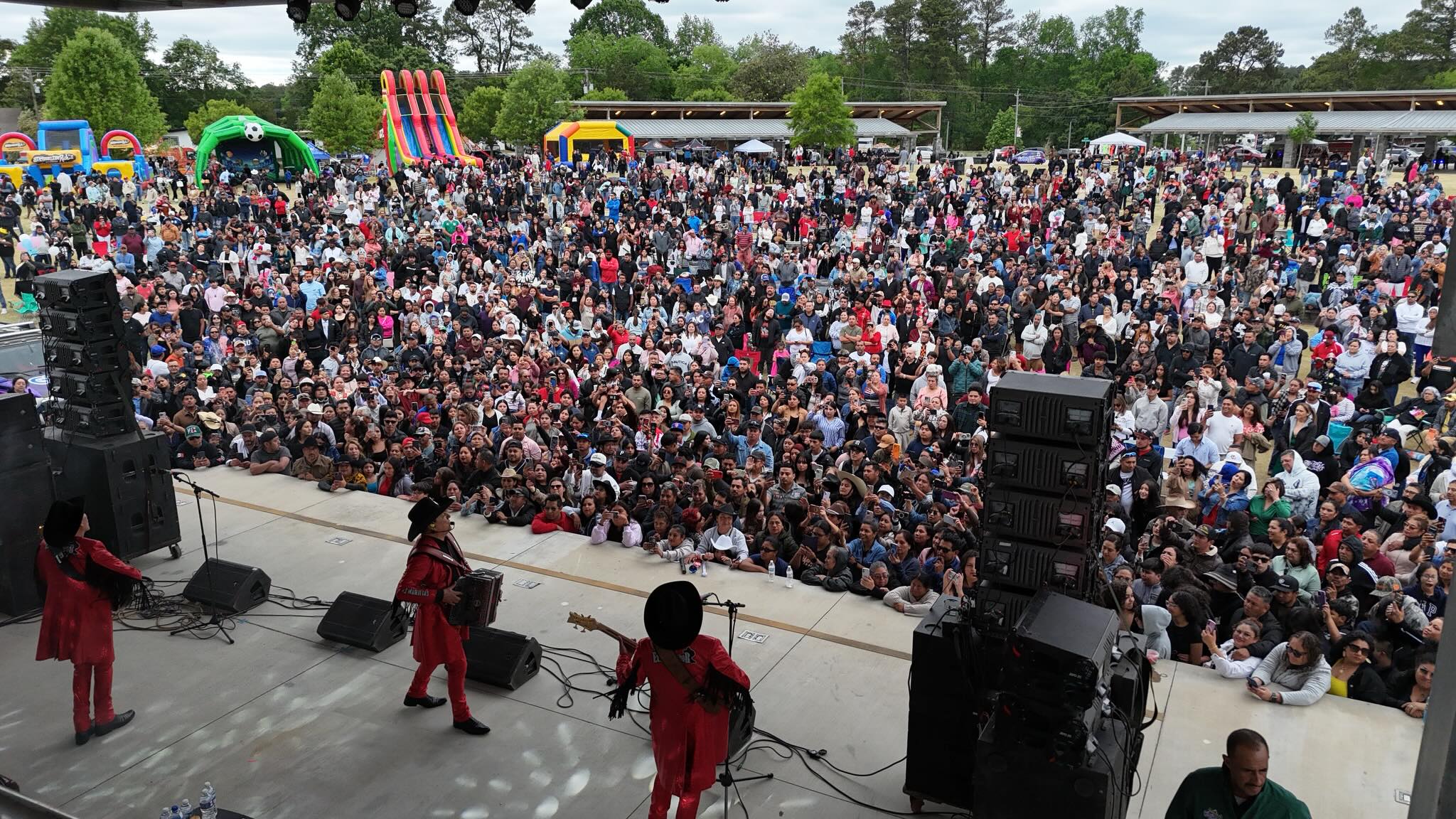
On a Friday night in Wilson, N.C., at Casa Azul’s Me Siento Muy Excited festival, I found myself surrounded by a kind of intimacy and rootedness that is becoming harder to find. The Whirligig Station filled with Spanish music, families greeted one another warmly, teenagers posed for pictures, and children weaved through groups of relatives while entire sections of the crowd sang Selena songs together without hesitation.
The atmosphere reflected the people behind it. Two sisters, Flor and Elizabeth Herrera, are from Wilson and have spent years investing in their community, creating the kinds of spaces they wished existed when they grew up. You could feel that care. Families lingered instead of rushing home. Young people switched freely between Spanish and English. Parents looked proud watching their children occupy public space so naturally.
Standing there beside the baseball stadium where the Wilson Warbirds play, watching Latino families fully occupy one of the city’s most recognizable public spaces, I kept thinking about how much North Carolina has changed over the last few decades. Not suddenly, but steadily, through work, sacrifice, and deep roots that many people still underestimate.
North Carolina’s Latino population now surpasses one million people, roughly 11% of the state, and it remains one of the youngest populations here. Across rural towns and growing suburbs alike, Latino families are helping shape the future of this state in real time.
We are raising children here, opening businesses here, graduating here, buying homes here, and building traditions here. We are not separate from North Carolina’s story. We are part of what this state is becoming.
That reality became even more visible at La Grande’s Latin American Festival in Knightdale.
Wilson felt intimate and rooted in local community. Knightdale felt expansive. Thousands of people moved through the festival grounds while music carried across the crowd and conversations unfolded everywhere at once. Families gathered around food stands, young people moved confidently through the space, and local businesses, community organizations, and elected officials all shared the same environment.
What stayed with me most was the feeling of recognition. There was an unspoken understanding in the atmosphere, a kind of collective exhale.
For a few hours, people allowed themselves to be fully present with one another instead of consumed by fear, headlines, political rhetoric, or uncertainty.
Because what I witnessed that weekend was not simply celebration. It was community functioning exactly the way it is supposed to. People reminding one another, consciously or not, that they are not alone here.
And in this political moment, that kind of public joy carries weight.
As immigration enforcement and an effort by the Trump administration has targeted U.S. citizens and undocumented Latinos alike, so many are living in an environment of fear and invisibility. But these festivals reflected something entirely different. They reflected communities choosing visibility, connection, and pride anyway.
Walking back to my car after the La Grande event, I remember turning around one last time and looking at the crowd, the lights, the music, the families still dancing and talking long after sunset. I felt proud not only because of the scale of the festival, but because of what it represented. Latino communities in North Carolina are not shrinking inward despite the pressure many families are navigating. We are continuing to build outward through culture, business, relationships, language, and community.
That is the part of Latino life in North Carolina I wish more people understood.
We are not simply reacting to politics or surviving difficult moments. We are actively shaping the future of this state every single day, and these festivals make that visible in ways statistics and headlines never fully can.
Seeing other people outside and visible should encourage all of us, regardless of race or where we live. Go to the Latino festival in your town. Visit the local panadería. Support the family-owned restaurant you keep meaning to try. Spend time in spaces that allow you to encounter the people helping shape your community beyond headlines or assumptions.
Because the future of North Carolina is already here, and it is rooted, interconnected, and impossible to ignore.
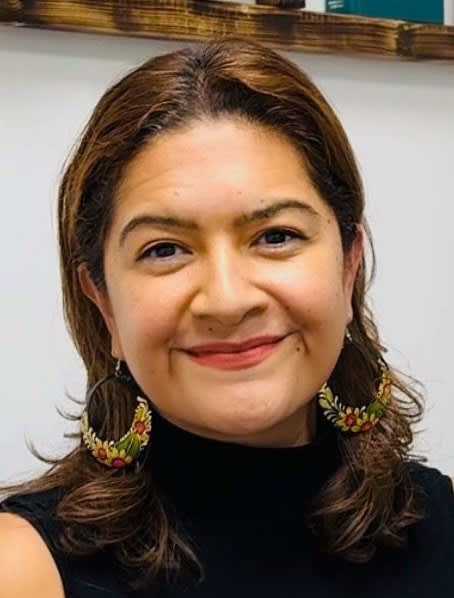
Iliana Santillán is an immigrant from Mexico, founder of the movement group Brava NC, and a statewide leader advancing civic engagement and political power-building in North Carolina. She is a collaborator on Beacon Media’s Latino community media project, El Faro.