North Carolina’s history is replete with examples of how community organizing made life better for so many of our communities. Does N.C.’s past hold the blueprint for a better collective future?
By Gwen Frisbie-Fulton
Beacon Media
I arrived at my neighborhood meeting a little late, but that didn’t seem to surprise anyone. I took a seat and glanced at the agenda written in marker on butcher paper. Tonight’s topics: Neighborhood newsletter, traffic on Boyd street, illegal dumping concerns, affordable housing conversation, and the upcoming potluck.
Over the years, I’ve sat in hundreds of meetings like this and, if I am being honest, no matter the place or the people they are often the same. There’s debate, there’s questions, working groups are formed. Yet, even with this redundancy, I never tire of them. Community organizing meetings are the drumbeat of our democracy.
And they always have been. This has been on my mind as we prepare to celebrate the Fourth of July and, collectively, reflect on our nation’s 250th anniversary.
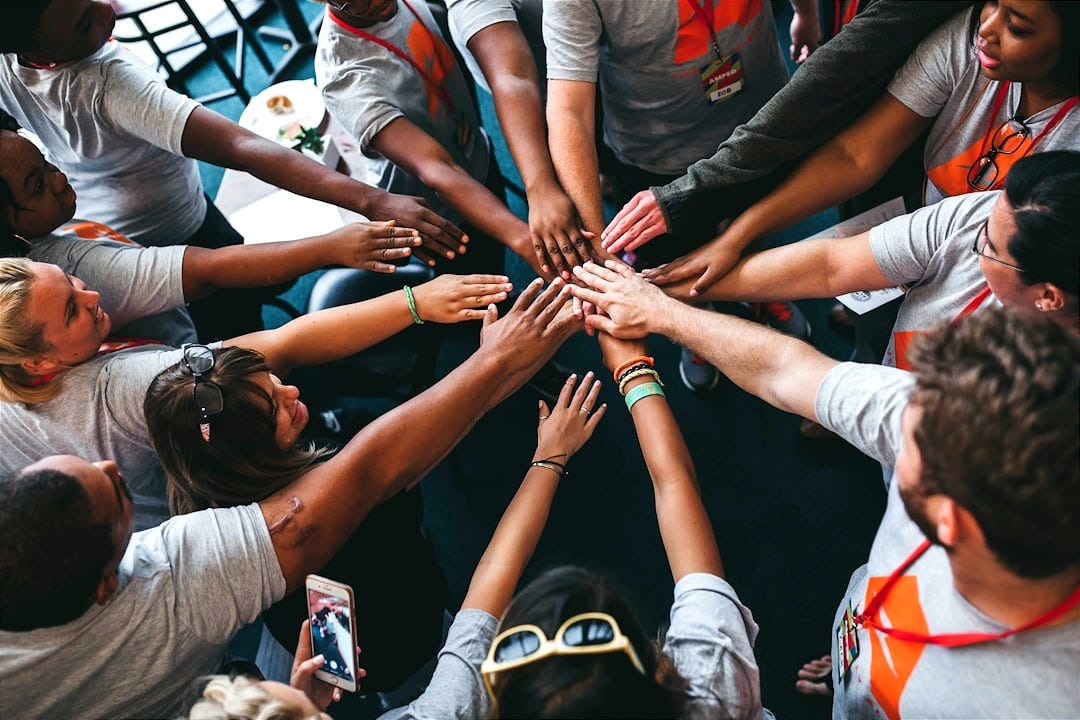
While our democracy is a system of governance, it is the organizing of everyday people that has always moved it along. It’s the work of grassroots organizers, community groups, and movements that have advanced our country to live up to our shared ideals, from worker protections to defending the right to vote.
While who we elect matters to our democracy, so does the push and pull of the community members to ask questions, surface issues, uncover solutions and build pressure to make change.
Most of the wins we have achieved and the progress we have made over the last 250 years have been made through organizing.
Here in North Carolina, we have a tremendous organizing history. From the Equal Rights Leagues of the 1870s protecting Black suffrage or the hog waste activism of the 1990s that forced our legislative leaders to pass the Clean Water Responsibility Act, citizen organizing has always been the corrective power guiding North Carolina forward.
What strikes me is how I was never taught this organizing history in school — lessons that are as instructive as the wars and presidents we were tested on.
I went to high school in Raleigh and in Winston-Salem in the late 1990s, and then to college in Chapel Hill, but it wasn’t until I was nearly 40 that I learned about some of North Carolina’s organizing contributions.
In the 1980s, it was organizing in rural Warren County that birthed the modern environmental justice movement. When the state proposed to dump polychlorinated biphenyl (PCB)-contaminated soil landfill there, local residents, who were overwhelmingly poor and Black, worked to oppose the landfill and led civil disobedience actions to block the trucks from entering their community. While the landfill was eventually created, their work raised national awareness of disproportionate environmental burdens on poor communities and communities of color, and influenced later policy discussions and research on environmental equity.
I also never learned about the massive — and, importantly, multiracial — union organizing in our state from Winston-Salem to Kannapolis, or about the Native activists who successfully organized to secure federal Indian Health Services and educational scholarships for Lumbee students.
And yet, the leadership of North Carolinians in the Civil Rights movement was merely a paragraph in my high school text book.
Looking back at this rich history of collective, multiracial history in our backyard isn’t just an important exercise. It’s a blueprint for the next 250 years.
North Carolina’s organizing legacy continues. Today, service workers in Durham, Raleigh and Charlotte are organizing for dignity on the job and a $15 minimum wage, and rural North Carolinians organizing around coal ash have held Duke Energy to account. And just over the last few months, residents in dozens of towns across the state have come together across ideology to fight data centers and big tech.
So, while my neighborhood meeting probably isn’t going to get a new environmental protection law passed or ensure the continuance of free and fair elections, what we are doing is a part of a long legacy of regular people coming together to try to shape our collective future.
For me, that feels like a good way to celebrate our nation this Fourth of July.
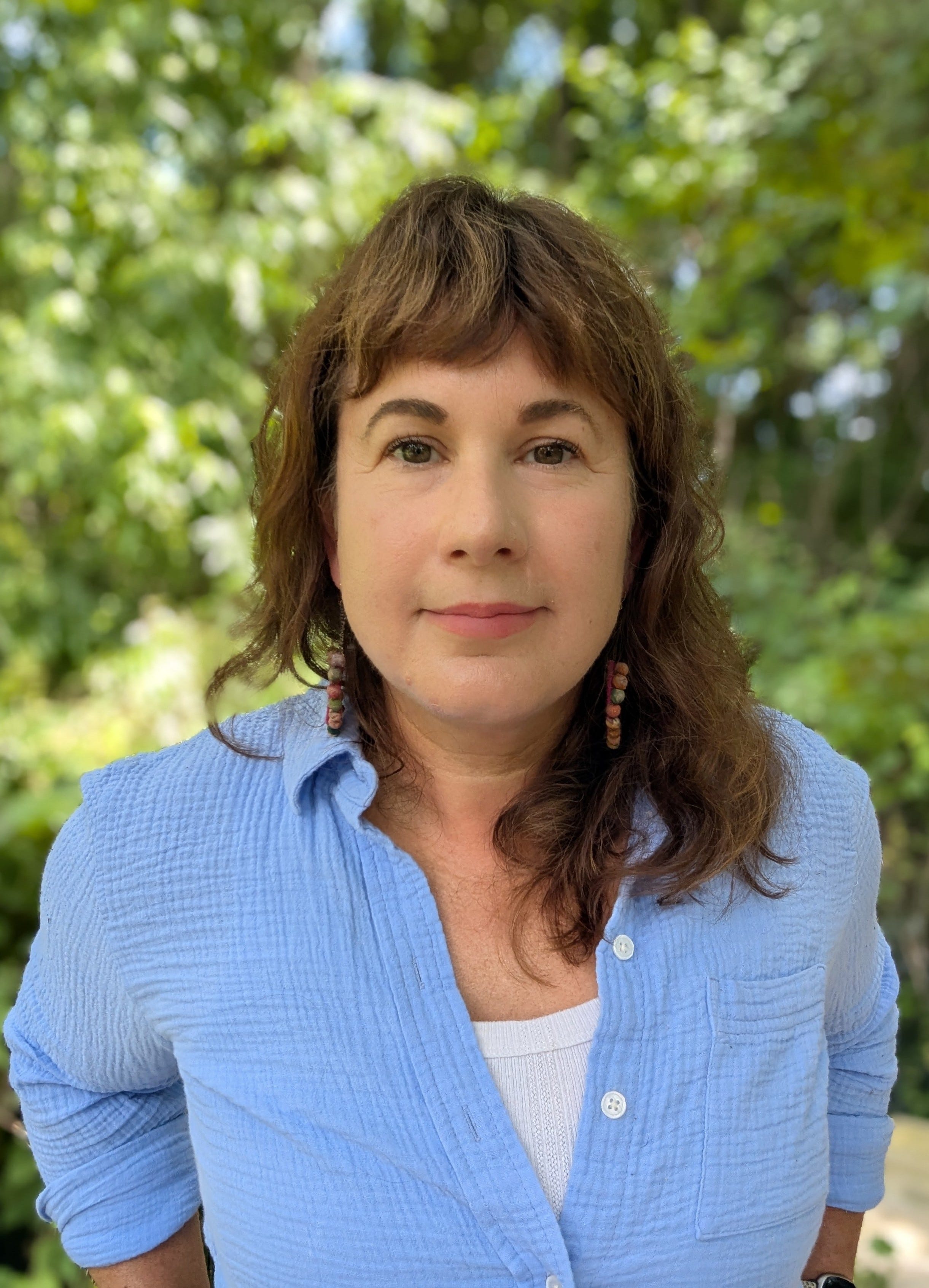
Gwen Frisbie-Fulton is a North Carolina storyteller and organizer who writes about race, class, gender and politics in the South. Follow her work on Substack at Working Class Storytelling.