
The author writes about her experience with the N.C. League of Conservation Voters Foundation and the events that led her to urge others to prepare.
By Terra Wright
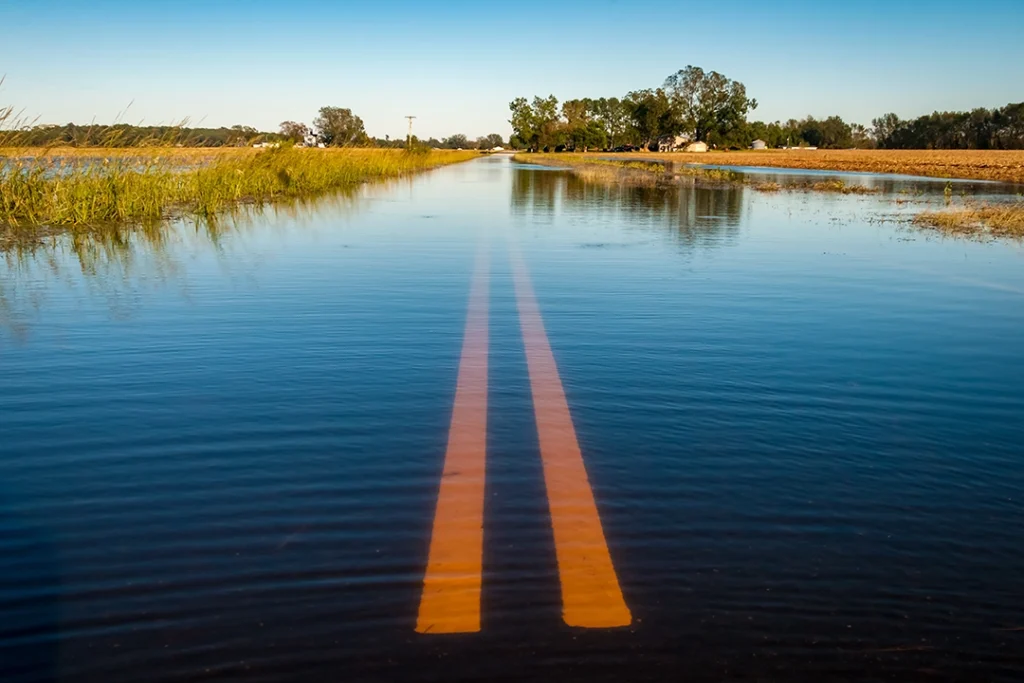
Storms have caused so much destruction in North Carolina lately. There was Hurricane Helene, the September 2024 storm that Western North Carolina is still recovering from. In recent weeks, Tropical Storm Chantal inflicted damage across the state, upending homes, businesses and lives.
This is not the first time North Carolina has dealt with these kinds of disasters. Because of my firsthand experience, I now work to connect underserved and rural communities to disaster relief resources. I help people understand what documents are needed, where to apply, who to call, and how to begin recovering after the worst happens.
In so many of our towns, no one is pointing the way. We need more people in communities across North Carolina to take the initiative to prepare and lead their communities when disaster strikes.
Recent events hit home, but the reason I do this work isn’t because of recent events — it’s because of what happened nearly 20 years ago.
It was a Thursday evening in 1996 when my life changed forever. My mother, my twin sons—just two and a half years old—and I had just returned home from running errands. Hurricane Fran was expected to brush the North Carolina coast with heavy rain, but in the small town of Spring Lake, just north of Fayetteville, we were told there wasn’t much to worry about.
Still, something in my spirit told me to be cautious. I packed a flashlight, despite my mother’s gentle teasing that it wouldn’t be necessary. That decision turned out to be one of the most important I’ve ever made.
As the rain poured harder, I tucked my boys into bed and waited for my younger brother to return home from work. Just as he arrived, a deafening crash echoed through the house—a massive tree had fallen into our living room.
Rain gushed into the space where our family usually gathered. The house began to flood. We had no time to panic. I grabbed my sons. My brother and I helped our mother. We stepped into the water-logged streets of Spring Lake with no clear idea of where we were going.
A neighbor helped us get to a nearby hotel on the hill. We were cold, soaked to the bone, and shaken. The power was out and the credit card machine was down—but thankfully, I had enough cash for a room. That night, we sat in silence, unsure of what the next day would bring, unsure if anyone knew where we were.
There was no Federal Emergency Management Agency (FEMA) on the ground. No Red Cross tent. No centralized place for information or help. No Facebook check-ins. We were on our own.
We stayed in that hotel for more than a month. And though I didn’t know it then, that experience was the beginning of something bigger. It lit a fire in me to make sure that no one else — especially in small towns like mine — would be left so alone in the aftermath of disaster.
Fast forward years later to Hurricane Florence. Again, Spring Lake was hit hard, and, once again, people didn’t know where to go for help. This time, I wasn’t going to wait. I attended every community meeting, asked every question, and started connecting the dots.
I teamed up with a few amazing friends and organized an event to distribute food, supplies, and resources. That event turned into a movement: Spring Lake Strong, which now holds regular events to connect community members with resources and each other.
Because if there’s one thing I’ve learned from living through multiple natural disasters, it’s that we can’t wait until disaster strikes to prepare ourselves and our communities.
That’s also why I started volunteering with the N.C. League of Conservation Voters Foundation’s PowerUp NC program, where I now serve as the Fayetteville Regional Field Organizer. We work on social, environmental, and climate issues – hurricanes and weather intersect with all of that.
PowerUp NC helps prepare communities and we mobilize people to advocate for policies that can mitigate those effects – big things, like requiring Duke Energy to invest in sustainable energy, and small things, like making sure local real estate agents have to disclose when a property is prone to flooding. There is a lot we can do to prepare and protect our communities from a changing climate – but only if we face what’s happening together.
When I started on this journey, I didn’t have a blueprint. I just knew that if I didn’t speak up, nothing would happen. I would encourage everyone to connect with organizations in their communities preparing for disasters. Many communities have a response team run by FEMA. They’ve helped me, and they can help you prepare.
Disasters made me do it. But it’s love—for my family and my community—that inspired me to do this work and that sustains my commitment to make sure that people are prepared when disaster strikes.
Terra Wright is a community organizer with PowerUP NC Fayetteville. She also runs Spring Lake Strong, a community-based organization that provides resources and events for the residents of Spring Lake, NC. This column is produced in partnership with the N.C. League of Conservation Voters Foundation. All content syndicated by Beacon Media is available to republish for free on all platforms under Beacon Media’s guidelines.